Sector 03 · Sensory
Calm spaces, gently engineered.
SEN schools, hospices, care homes, autism units and NHS trusts — environments that calm, engage and invite a response.
2,091 installations in this sector
What we do here
Purpose-built for complex needs.
Sensory rooms are built around the people who use them — not a product catalogue. A child with autism and a resident in a care home need very different things from the same space. We’ve been designing and installing multi-sensory environments across the North West long enough to understand that. Every project starts with a conversation about the users: their needs, their responses, their routines. Then we design the room around them.
We build, we install, and we stay on the maintenance contract. Sensory equipment needs regular attention — we clean, test and recalibrate on schedule, and we respond when something isn’t working as it should.
- Fibre-optic star ceilings
- Mood-control LED wall & ceiling systems
- Bubble tubes & water feature columns
- Interactive projection & touch panels
- Soft play flooring & wall padding
- Sound systems & tactile speakers
- Weighted products & sensory tools
- Ongoing service & maintenance contracts
“Not a catalogue room. A room built around the people who’ll be in it.”
Sensory rooms we’ve built.
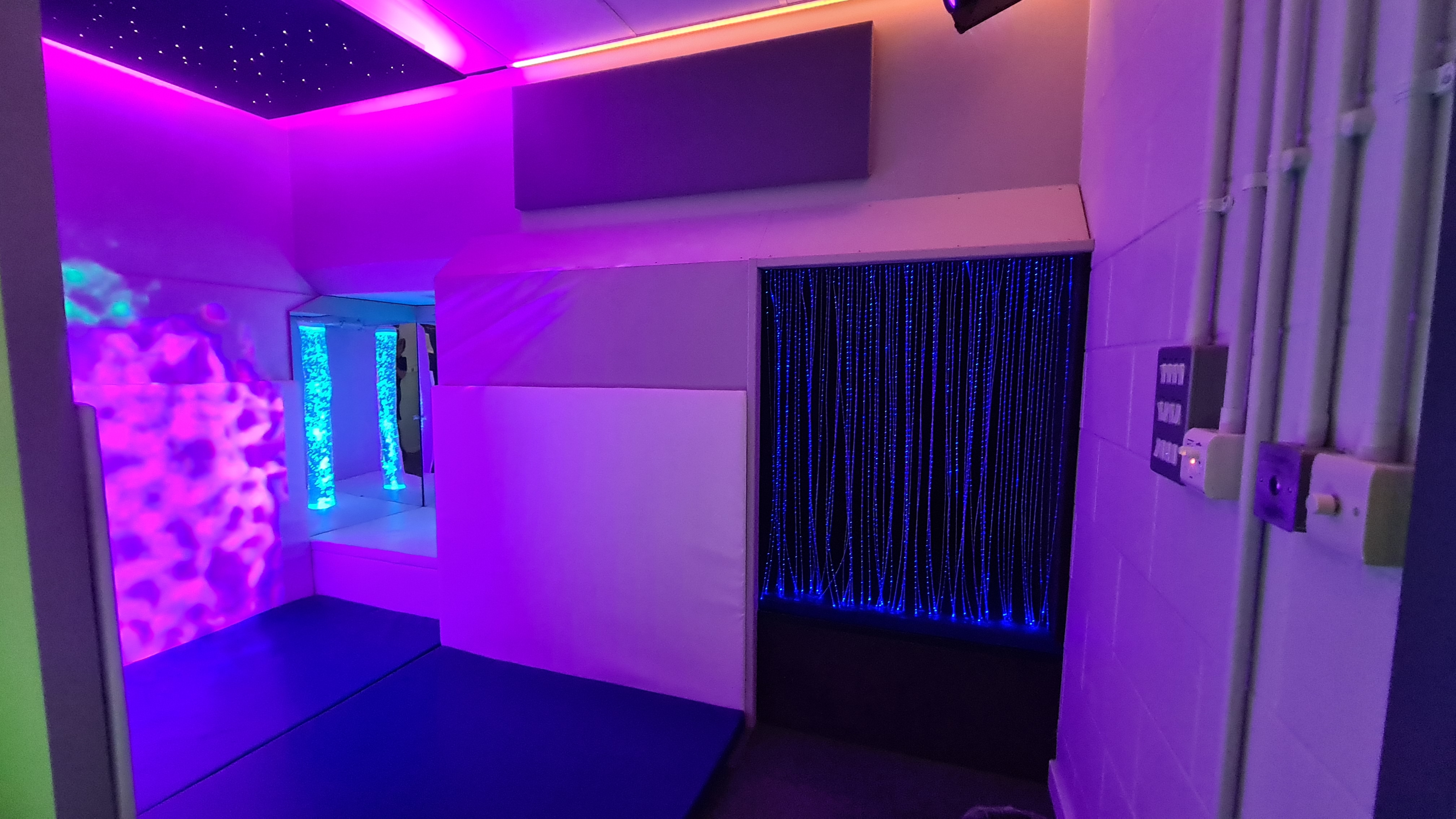
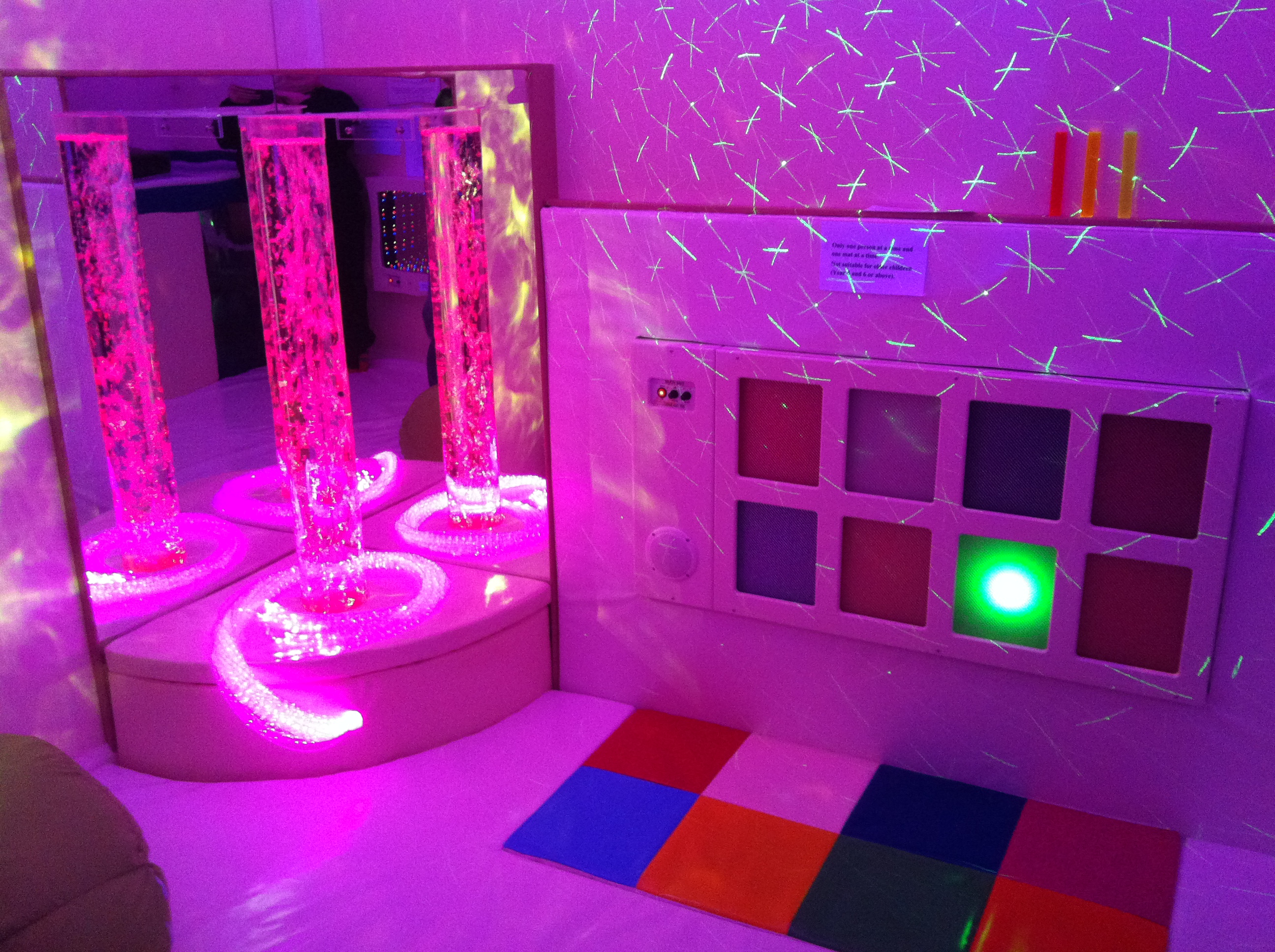
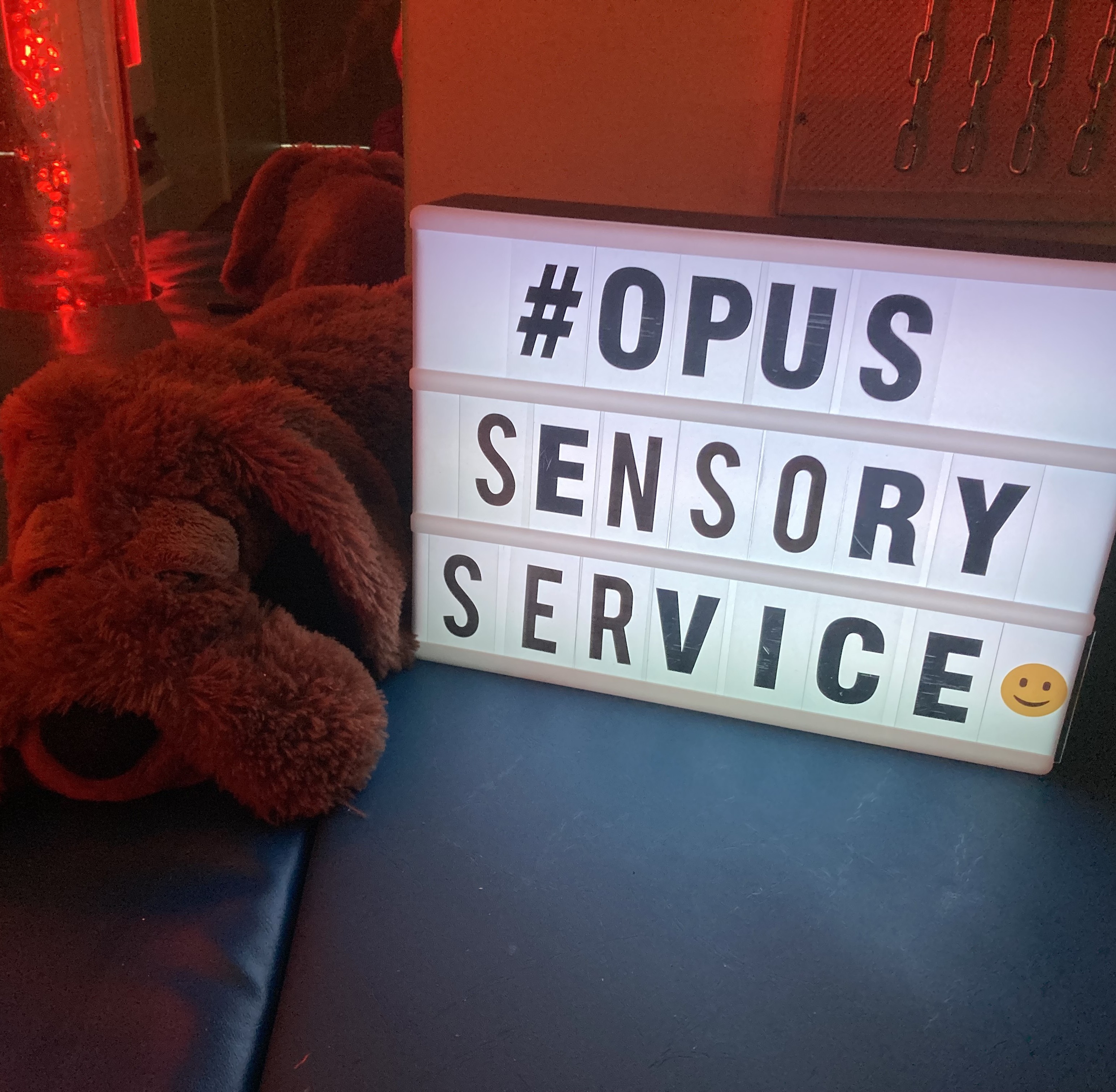
Service & maintenance
Sensory rooms need looking after.
Fibre optics fade, projectors need lamps, bubble tubes need cleaning. We offer planned maintenance contracts for every sensory room we install — and we’ll come out when something needs attention. Most of our sensory clients have been on a contract with us for years.
Common questions
Sensory sector — frequently asked questions
What is a sensory room and what does it contain?
A sensory room is a dedicated space designed to regulate sensory input — calming some users, stimulating others, according to their needs. A typical Opus AV sensory room contains fibre-optic star ceilings, colour-changeable LED wall and ceiling systems, bubble tubes and water columns, interactive projection, tactile speakers, soft-play flooring, and a central control system that lets a carer or teacher adjust the environment in real time. Every room is designed around the users, not a standard catalogue.
Who are sensory rooms built for?
We build sensory rooms for a wide range of users: children and young people with autism, ADHD, sensory processing differences or complex learning needs; adults in care homes and hospices who benefit from calming sensory environments; and residents or patients in NHS or healthcare settings. The design of the room is always driven by the needs of the specific users — we ask detailed questions before we specify anything.
Do you install sensory rooms in schools?
Yes. Schools — including primary, secondary and specialist SEN settings — are where we carry out the largest share of our sensory work. We're experienced in working within school budgets, school timetables and the constraints of existing rooms. We can install a sensory room in any space from a dedicated suite to a repurposed classroom, and we train staff on how to use it effectively with different pupil groups.
Can you install a sensory room in a care home or NHS trust?
Yes. We work with care homes, hospices, NHS trusts and specialist healthcare providers across the North West. Healthcare settings have specific requirements around infection control, surface materials and electrical safety — we're familiar with those constraints and specify accordingly. We can work with your facilities management team and comply with any site access requirements your organisation needs.
Do you offer ongoing maintenance for sensory rooms?
Yes, and we strongly recommend it. Sensory equipment — fibre-optic cables, bubble tubes, projectors, LED systems — needs regular cleaning and calibration to keep working as intended. A room that isn't maintained loses its impact quickly. Our sensory maintenance contracts include scheduled site visits, cleaning, testing and replacement of consumables such as fibre-optic cables and projector lamps. We also respond to breakdowns promptly, because a sensory room that isn't working is a real disruption to the people who depend on it.